THE ASK
Holland America Line's onboard informational videos — covering everything from mustering and fire safety to WiFi, disembarkation, luggage, and port arrivals — were badly dated and expensive to update. Every change to a safety protocol, a ship layout, or an onboard system required sending a full production crew back onboard to reshoot. Faculty was brought in to rethink the entire system from the ground up, with one core requirement: make it evergreen.
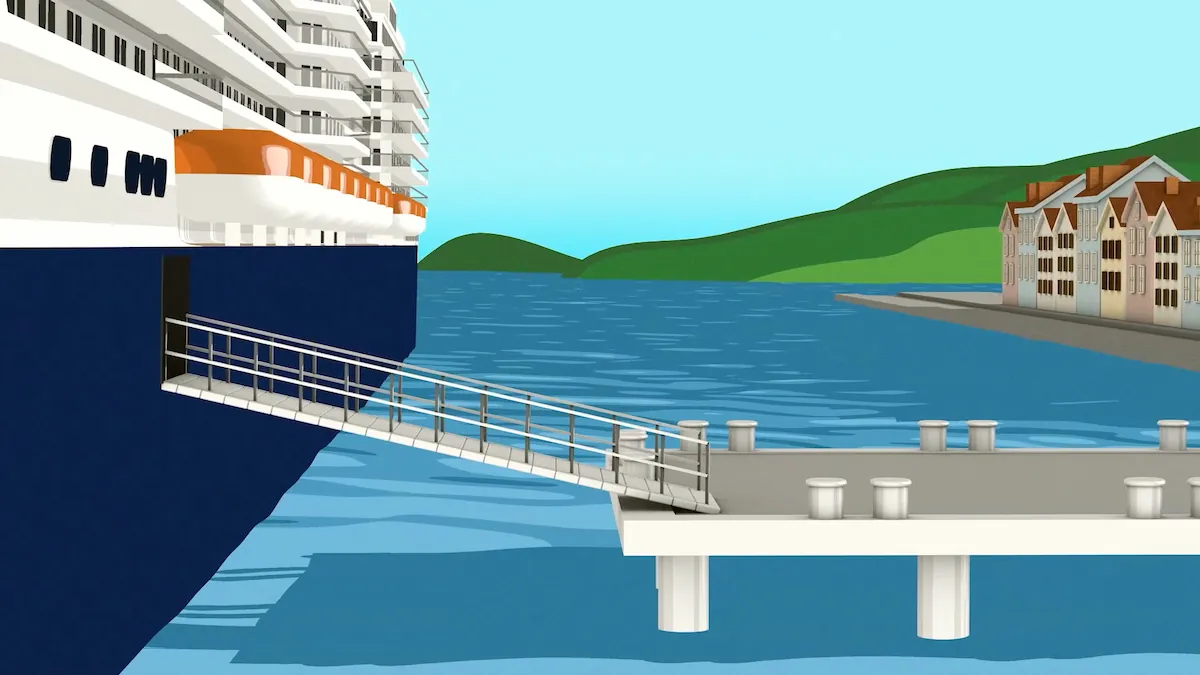
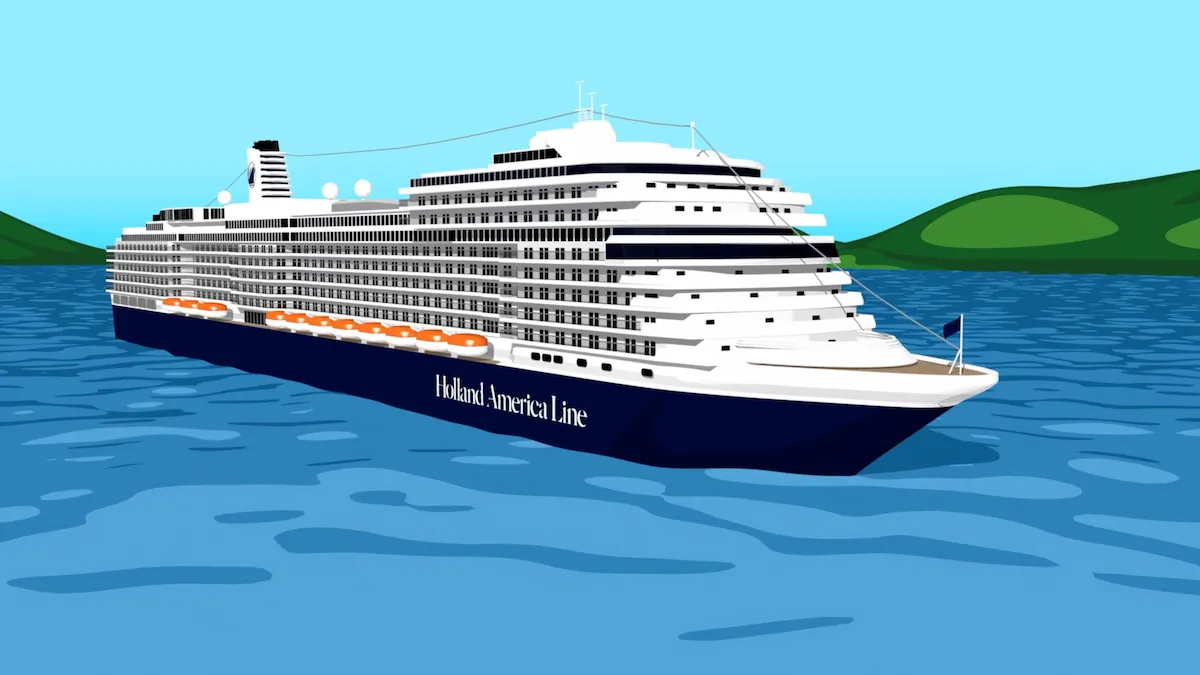
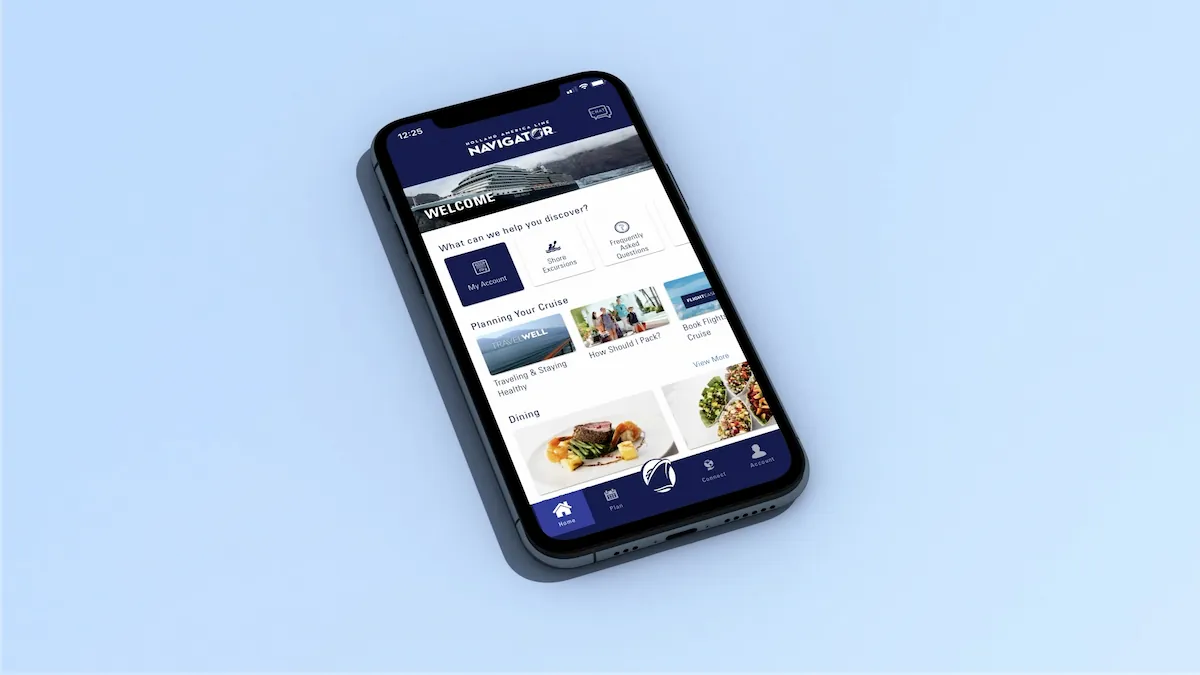
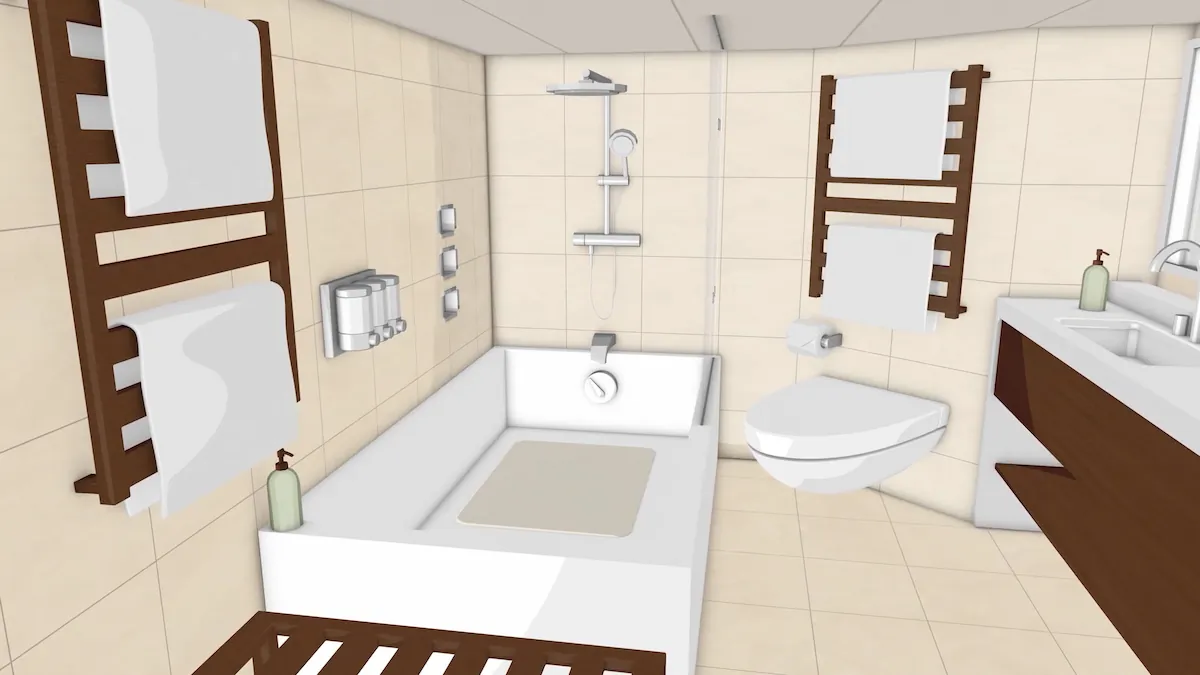
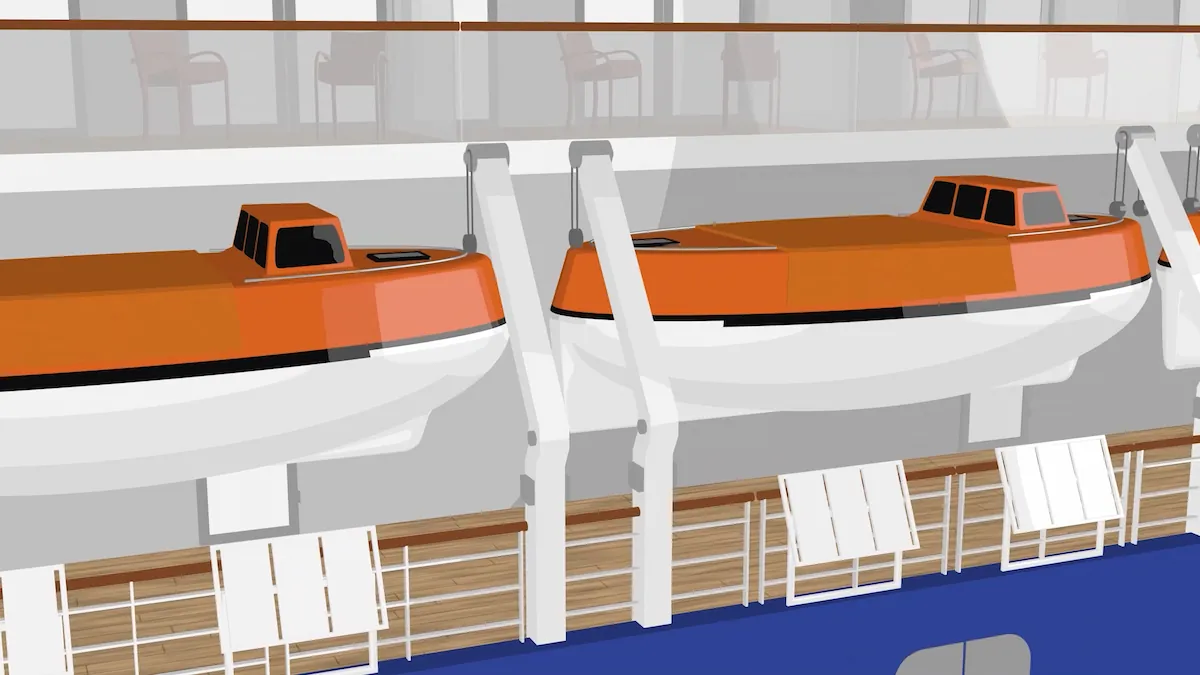
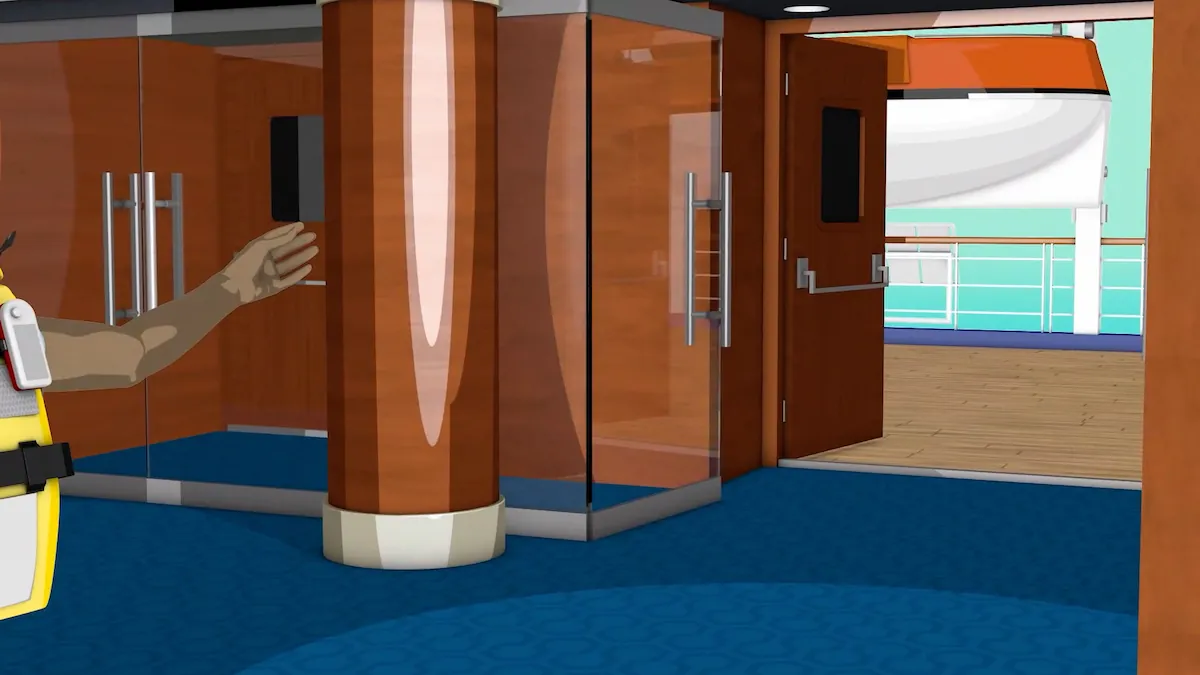
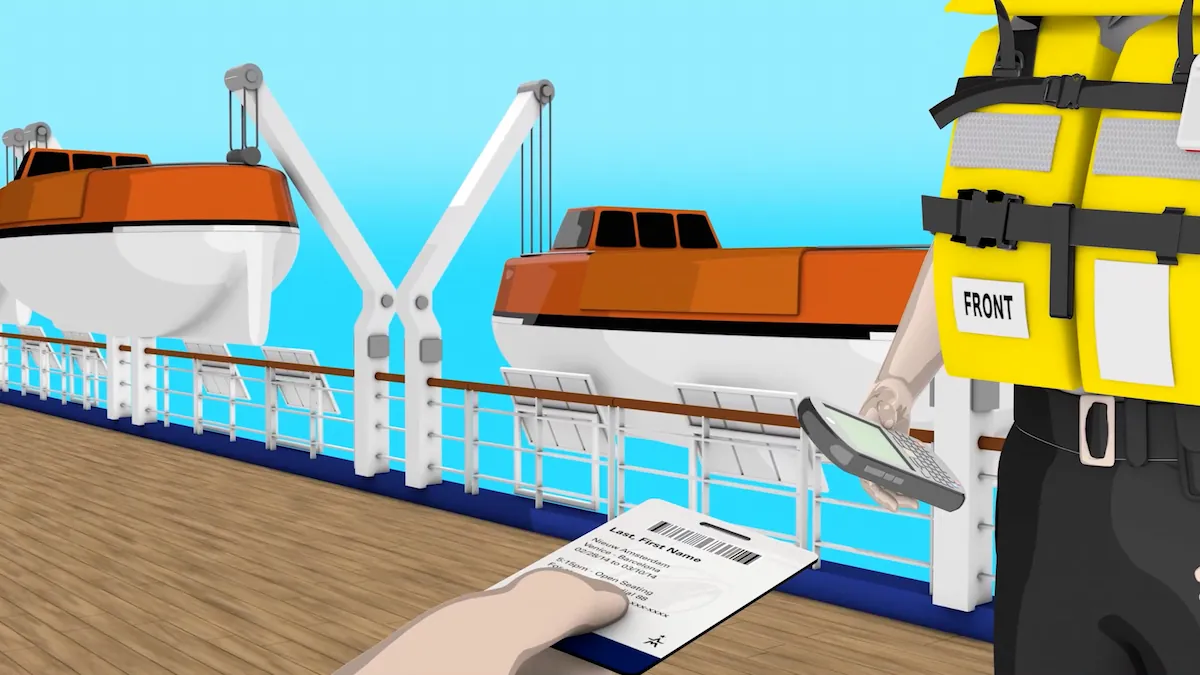
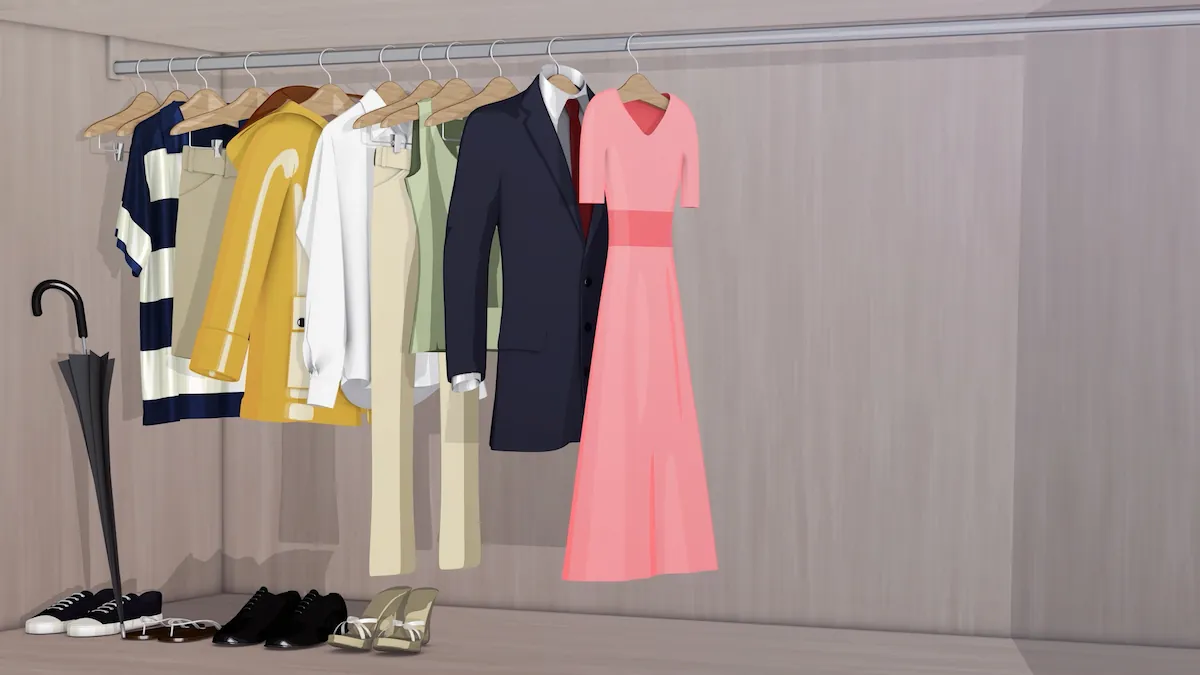
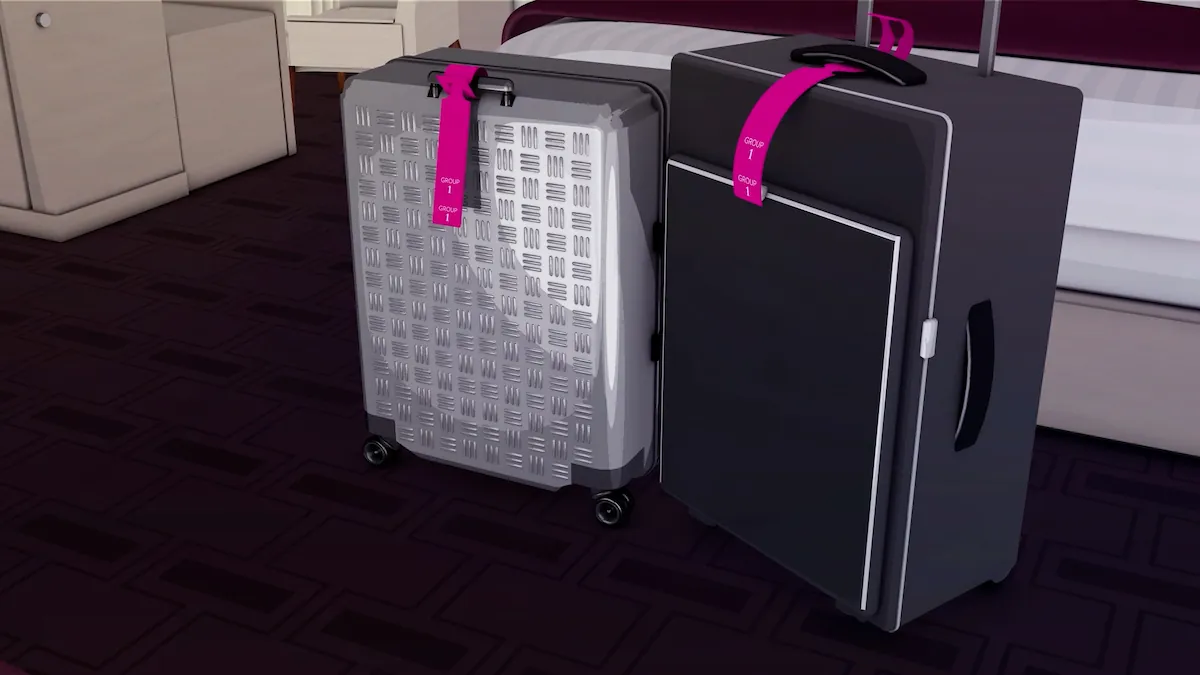
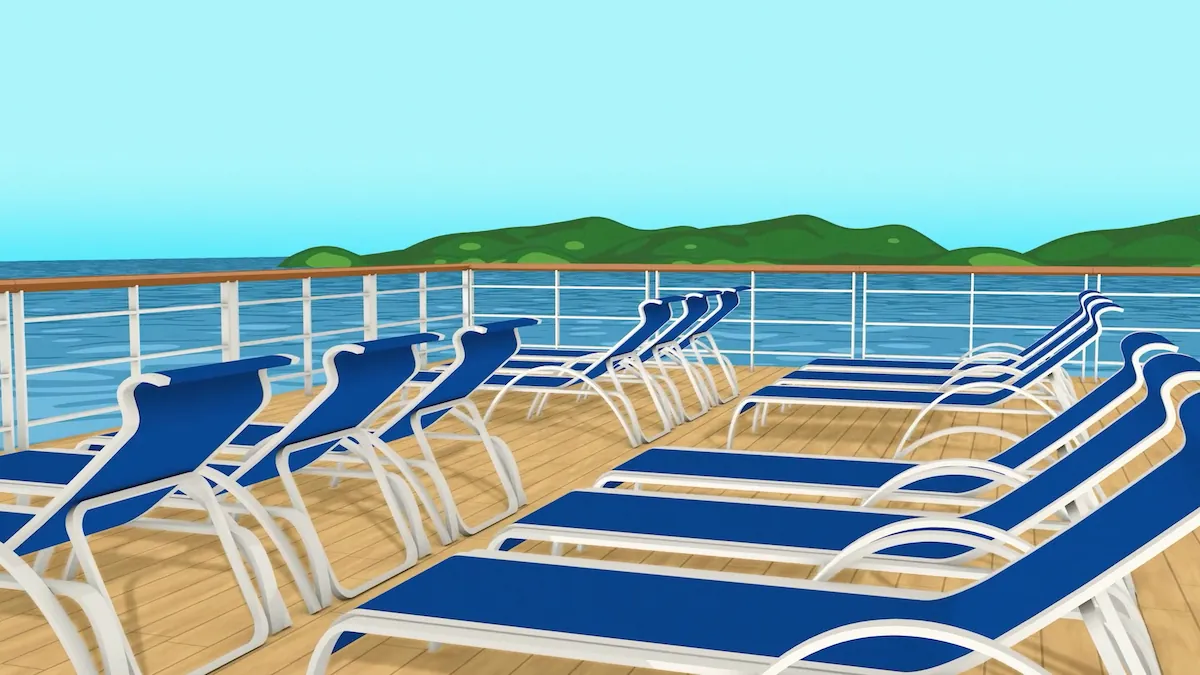
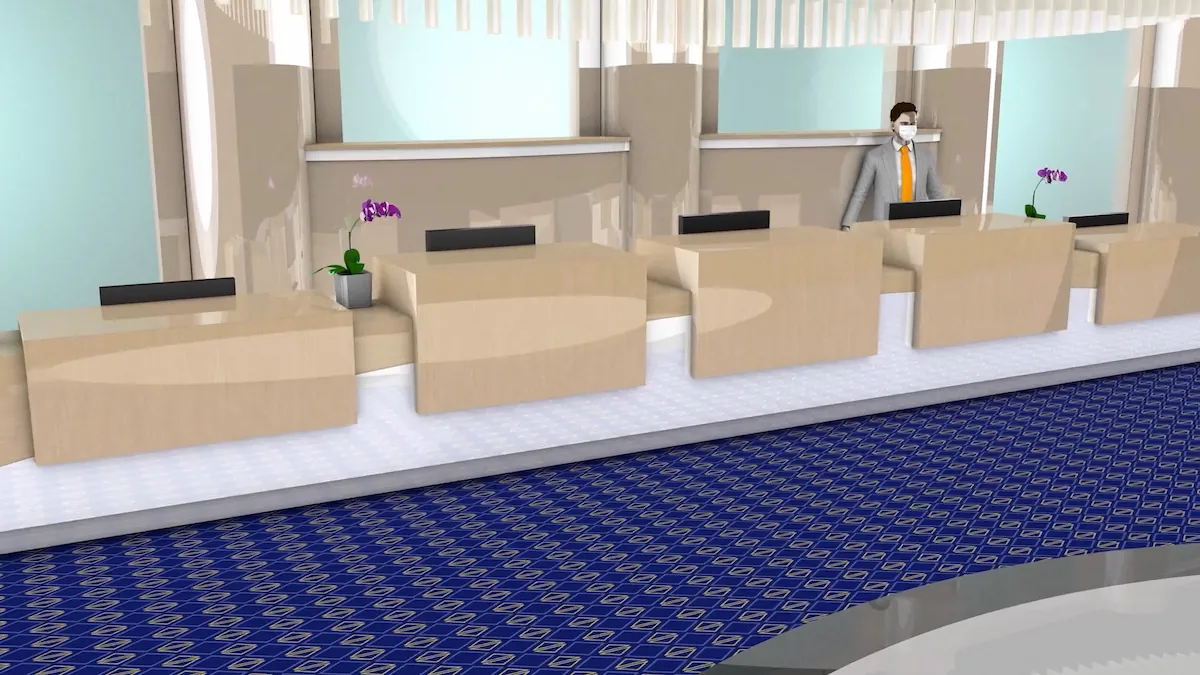
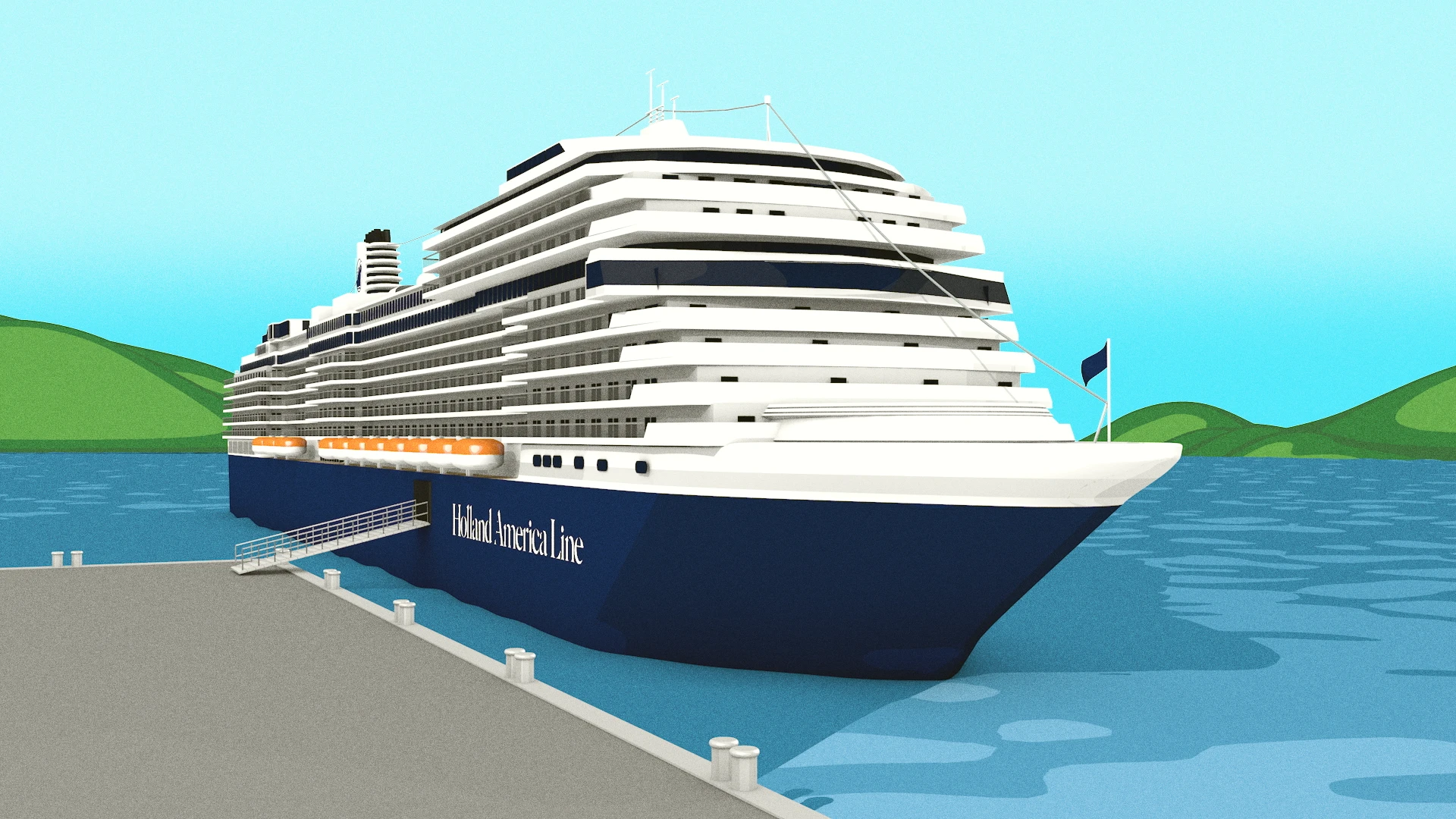
Faculty scrapped the existing look entirely and built a comprehensive 3D asset library from scratch — modeling the ships, staterooms, restaurants, gyms, pool areas, decks, medical centers, concierge desks, and port environments. Since HAL's ship data was proprietary, Faculty rebuilt the vessels independently in 3D, creating a fully illustrated Holland America visual language that could be updated, iterated, and redeployed without ever stepping onboard. The system launched alongside HAL's new digital TV infrastructure and the debut of their Pinnacle class ships, with tailored iterations produced for each ship class across the fleet.
THE
APPROACH
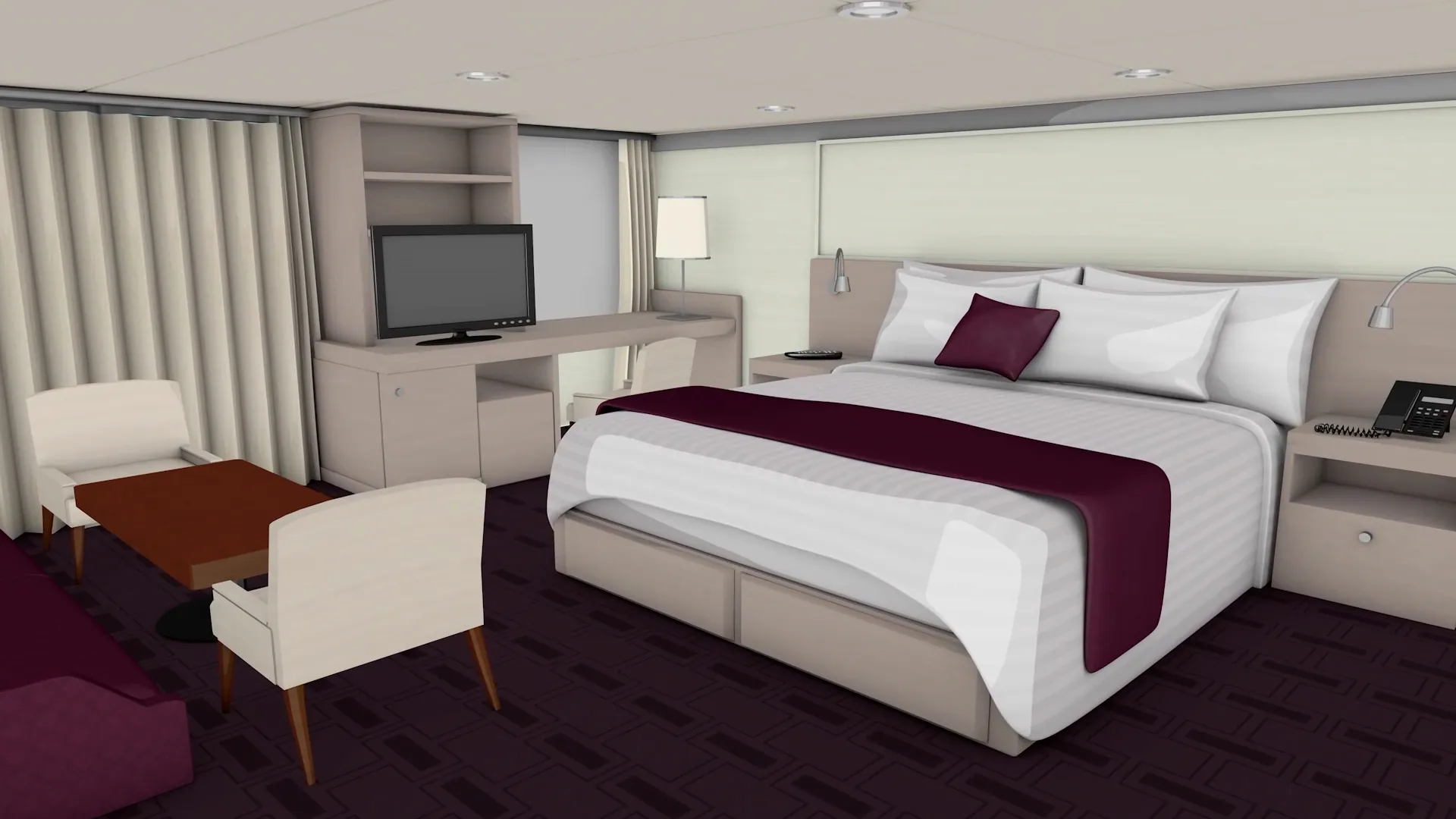
The Result
Faculty kept coming back to the library — updating WiFi instructions, safety protocols, COVID procedures, key card designs — for years. Each update that could be pulled from the existing asset library was one less production crew HAL had to put on a ship. The savings compounded over time.
The most significant shift came when HAL rethought their traditional mustering process — the one that required fifteen hundred guests to leave their staterooms simultaneously, flood the elevators and stairwells, and stand through a lengthy safety briefing. Faculty's video content became part of that solution, contributing to a process that was more comfortable for guests with mobility challenges, safer in extreme heat, and significantly less chaotic for a ship full of people all doing the same thing at the same time.